
Why is my dental work failing?
A restoration can change because of wear, decay around its edges, a fracture, fit problems, or forces from grinding. Symptoms alone cannot tell you the cause.
What to tell your dentist
Describe when you first noticed movement, pain, food trapping, a sharp edge, or a change in your bite. Bring a crown or broken piece if it has come off. An examination and any needed imaging help assess both the restoration and the tooth.
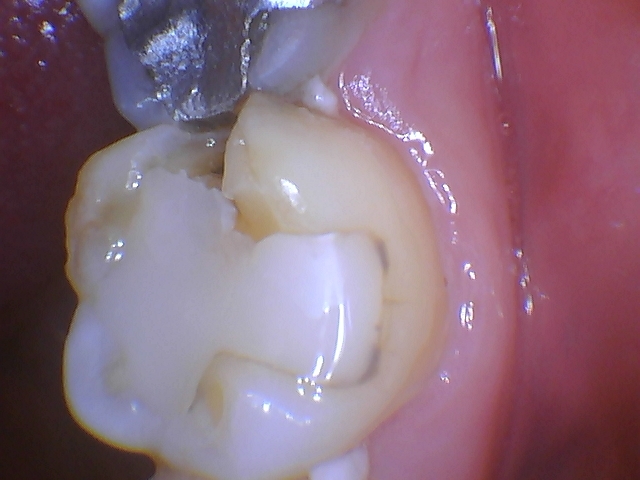
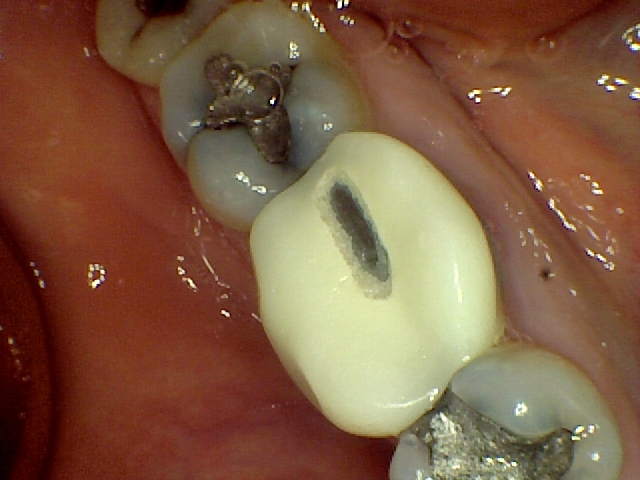
View clinical photos of dental restorations (close-up images)
Two separate clinical examples, not before-and-after photos. An examination is needed to assess any restoration.
Repair is not always replacement
Depending on the findings, a restoration may need adjustment, repair, replacement, or treatment of the underlying tooth. Ask what caused the problem and whether the tooth is still restorable.
Do not repair it at home
Avoid household glue and do not file a restoration yourself. Call for advice about protecting the area while awaiting an appointment.
Ongoing protection
Daily cleaning, regular checks, and appropriate management of grinding can help with maintenance but cannot guarantee that restorations will never fail.
Read about crown recommendations and protecting dental work.
Arrange an assessment